
Sound And Music In The Muslim World
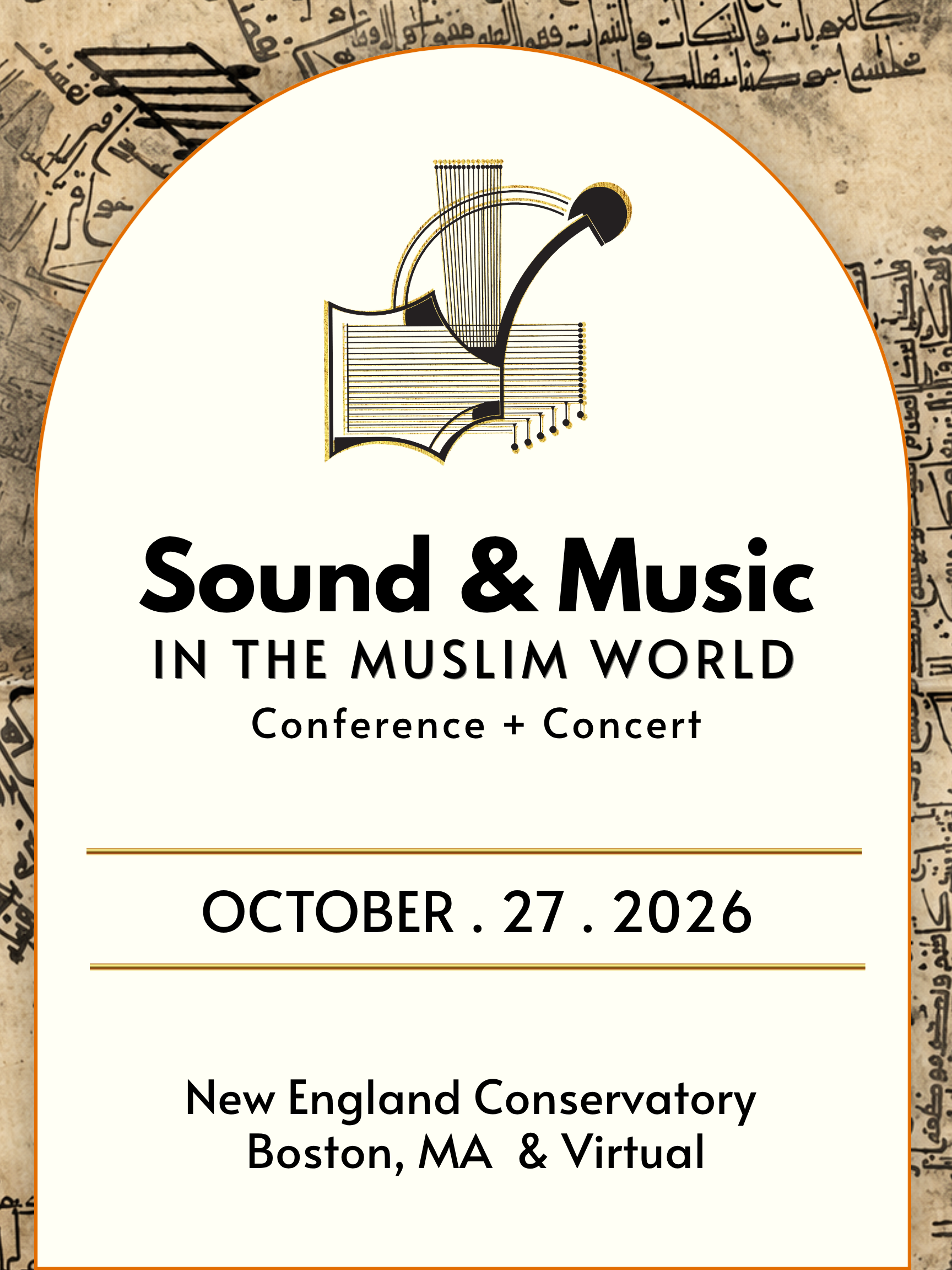
One-day conference followed by a concert exploring sound and music in Muslim contexts.
In person and virtual participation.
Program
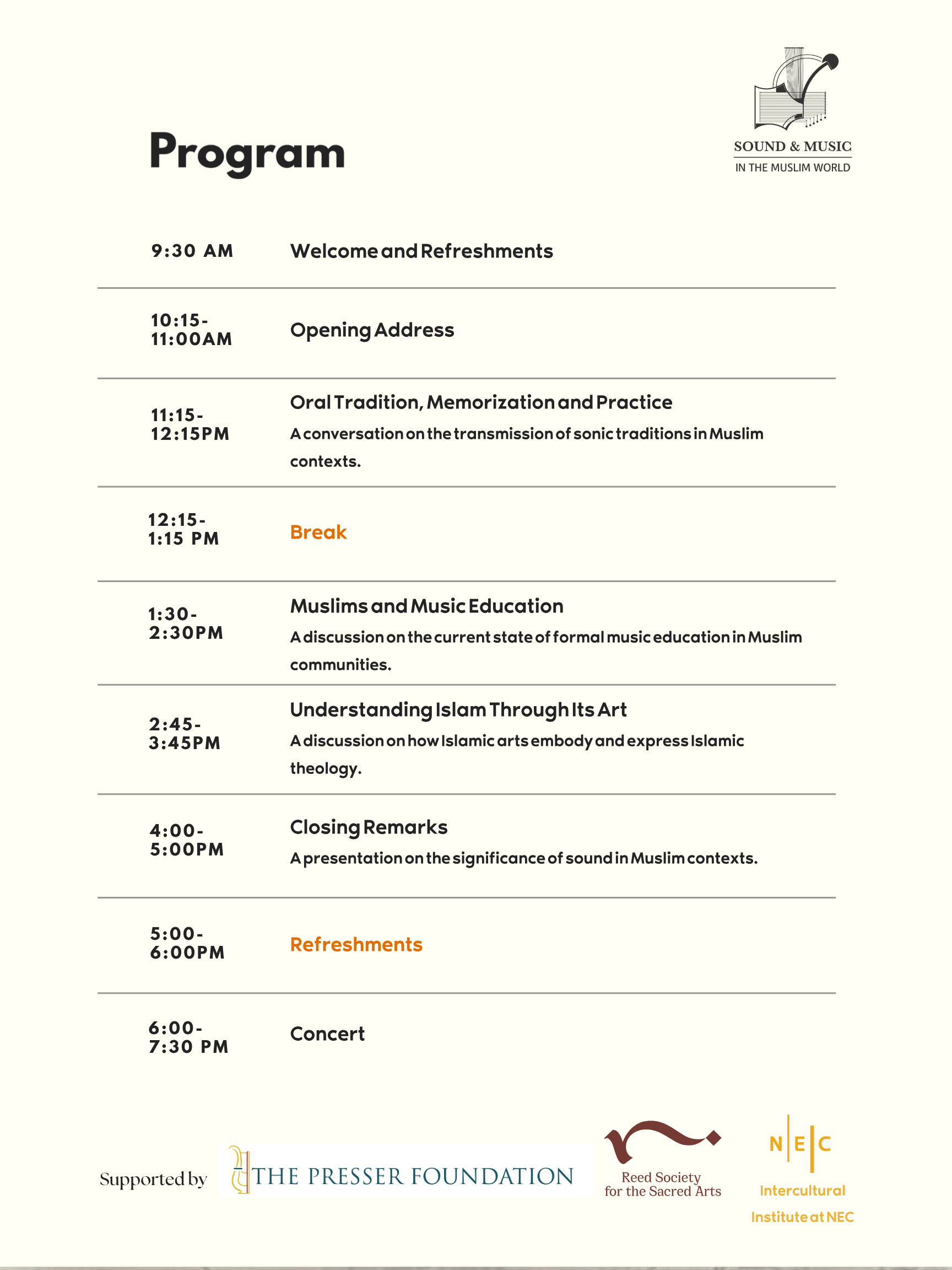
Sound and Music in the Muslim World
〰️
Sound and Music in the Muslim World 〰️
Speakers
-
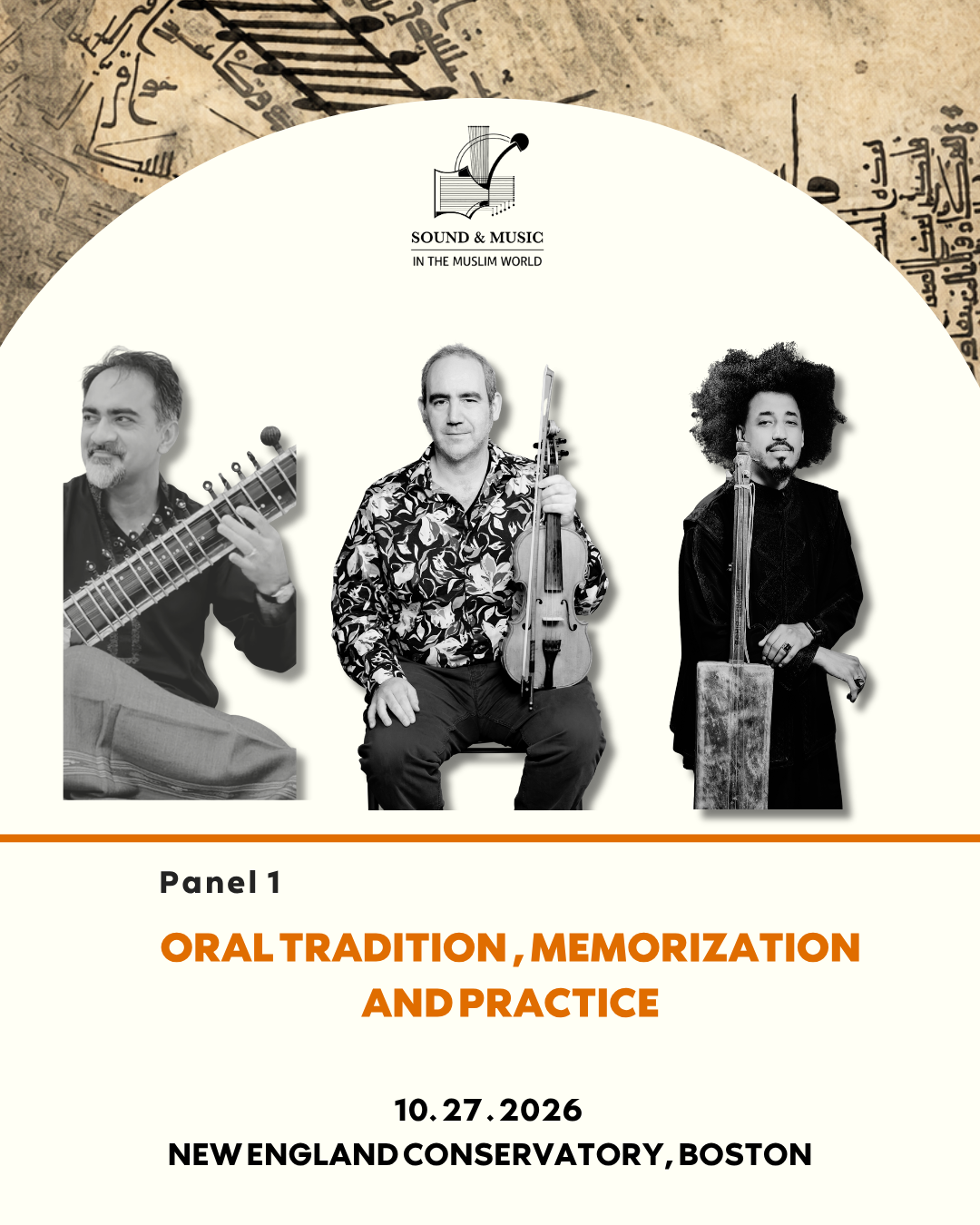
One of the leading Arab violinists in the U.S., as well as a vocalist, Sami Abu Shumays is internationally known as a master of the maqam system. He is co-author of the acclaimed book Inside Arabic Music (Oxford University Press 2019), and his passion for teaching and oral tradition is also expressed through his YouTube series "Maqam Lessons," the website www.maqamlessons.com, and his contributions to www.maqamworld.com. Co-founder and director of the NYC-based Arabic music and dance ensemble Zikrayat, Sami released his first solo album Circles in 2023, available on all streaming platforms. In 2024 he was named a master folk artist through the New York State Council on the Arts Folk Arts Apprenticeship Program. In 2024 he was also awarded one of 25 Taproot fellowships nationally for folk artists rooted in communities, by the Alliance for California Traditional Arts. He is an advisory board member of Brooklyn Maqam, the organization promoting the largest number of Arabic music events in NYC, and Deputy Director at Flushing Town Hall, a multi-disciplinary arts presenter based in Queens, NY.
-
Samir LanGus is a Grammy-nominated musician, born and raised in Ait Melloule, Morocco. From a young age, he was immersed in the rich sonic environment of his hometown, where the daily sounds of merchants, street entertainers, and the call to prayer formed a vibrant backdrop to life. This deep-rooted connection to sound naturally led him to music and more specifically, to Gnawa, the ancient spiritual trance tradition of Morocco.
-
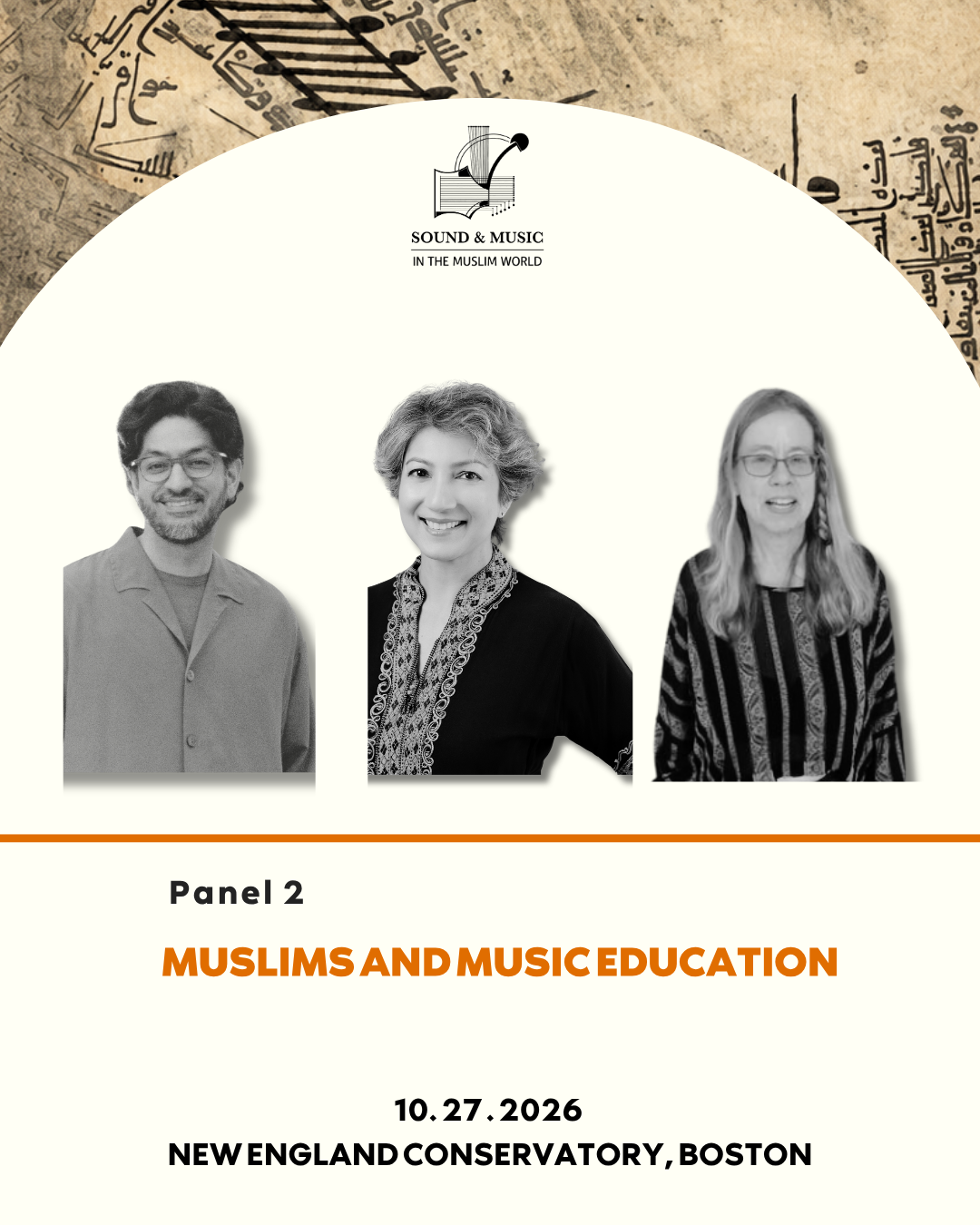
Aisha Imam is the founder and executive director of Reed Society for the Sacred Arts and an aspiring calligrapher, working under the guidance of Mohamed Zakariya and Nuria Garcia Masip. She has served on the Islamic Art Advisory Committee at The Walters Art Museum in Baltimore, consulted with the Smithsonian’s National Museum of Asian Art, and collaborated with The Kennedy Center’s Millennium Stage and numerous universities and other nonprofits across the United States to promote sacred art and music. Aisha lives in Bethesda with her husband and four daughters.
-
Jawwad Noor is a sitar player living in the Boston area. He was initiated into sitar by Ustad Alam Khan of Lahore, and went on to become a disciple of the world’s leading sitarist, Ustad Shahid Parvez Khan, under whom he has extensively studied the melodic and rhythmic foundations of Indian Classical music. He performs widely and he runs the sitar program at the LearnQuest Academy of Music (Waltham, USA). Beside being a musician, he is also a professor at Boston University with a research program that lies at the intersection of economics, psychology and mathematics.
-
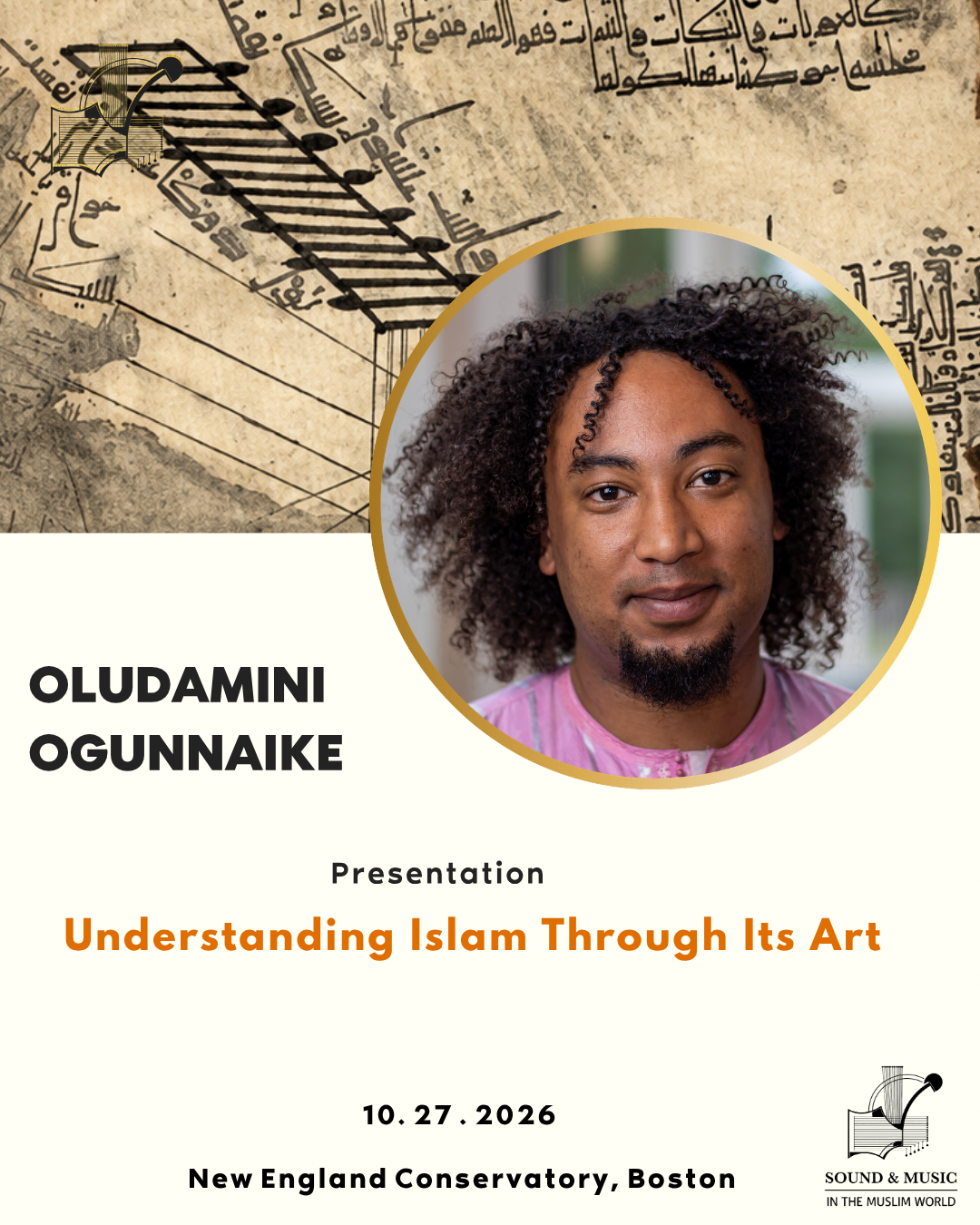
Oludamini Ogunnaike [oh-loo-DAH-mee-NEE oh-goo-NIGH-kay] is Professor of African Religious Thought and Democracy at the University of Virginia. He specializes in the intellectual and artistic dimensions of West and North African Sufism and Yoruba oriṣa [OH-REE-SHA] traditions. He received his PhD from the department of African and African American Studies at Harvard University and his A.B. in Cognitive Neuroscience and African studies from Harvard College. He is the author of: Deep Knowledge: Ways of Knowing in Sufism and Ifa, Two West African Intellectual Traditions (Penn State University Press, 2020) winner of the Association for the Study of the Worldwide African Diaspora (ASWAD) Outstanding First Book Prize; Poetry in Praise of Prophetic Perfection: West African Madīḥ Poetry and its Precedents (Islamic Texts Society, 2020). He is also the host of a podcast, The Logic of the Birds, about Sufi poetry and poetics.
-
Asad Ali Jafri is a DJ, cultural organizer, and co-producer of Listening While Muslim, a dynamic listening party exploring the intersections of music, faith, identity, and politics. He has spent more than two decades producing and supporting cultural work across imagined boundaries, creating spaces where artists, audiences, and stories can gather and thrive.
Asad is the Executive Director of Kaleidoscope Dreams Foundation, a NYC-based nonprofit connecting communities to live performance, professional pathways, and creative education; a board member of Gathering All Muslim Artists (GAMA); and co-founder of SpaceShift Collective, a Chicago-based artist collaborative. Previously, Asad held leadership roles at South Asia Institute Chicago, Shangri La Museum in Honolulu, and Words Beats & Life in Washington, DC.
-
Ani Zonneveld is an author, Grammy-certified songwriter, producer, and founder of Muslims for Progressive Values. Born in Malaysia and raised across Germany, Egypt, and India, her multicultural upbringing has deeply influenced her inclusive worldview. As a songwriter and producer, Ani has collaborated with artists throughout Asia, Europe, and North America. Her work earned Album of the Year honors at Malaysia’s AIM Awards, and her collaboration with Keb’ Mo’ on Keep It Simple contributed to a Grammy-winning album in the Contemporary Blues category. She has published more than 100 songs, including releases in Japan, Italy, and the United Kingdom. Ani is also the author of "An Unlikely Social Justice Warrior: Making My Life Count as a Muslim Feminist" and co-authored the "Inclusive Islam Curriculum Rooted in Human Rights" for children utilizing music and the arts. She also co-authored the chapter “Transnational Progressive Islam: Theory, Networks, and Lived Experience” in the Handbook of Contemporary Islam and Muslim Lives (Springer, 2021).
-
Constance M. Cook is a Kodály music educator with over twenty years of experience teaching music to children from kindergarten to eighth grade. She has taught as a licensed music educator and also served as a visiting teaching artist in general and choral music programs in Massachusetts public schools. Constance is dedicated to fostering community through singing and emphasizes the importance of music and singing games that reflect the diverse cultures represented in her classroom. Her particular focus includes traditional music and games from the United States, the Middle East, and Cape Verde, with a special interest in Islamic arts. This enriches her students’ understanding of culture's role and importance. Constance holds a Master of Arts degree in Critical and Creative Thinking from the University of Massachusetts Boston. She is currently pursuing a doctorate in the Music Education Program at the University of Massachusetts Amherst.
-
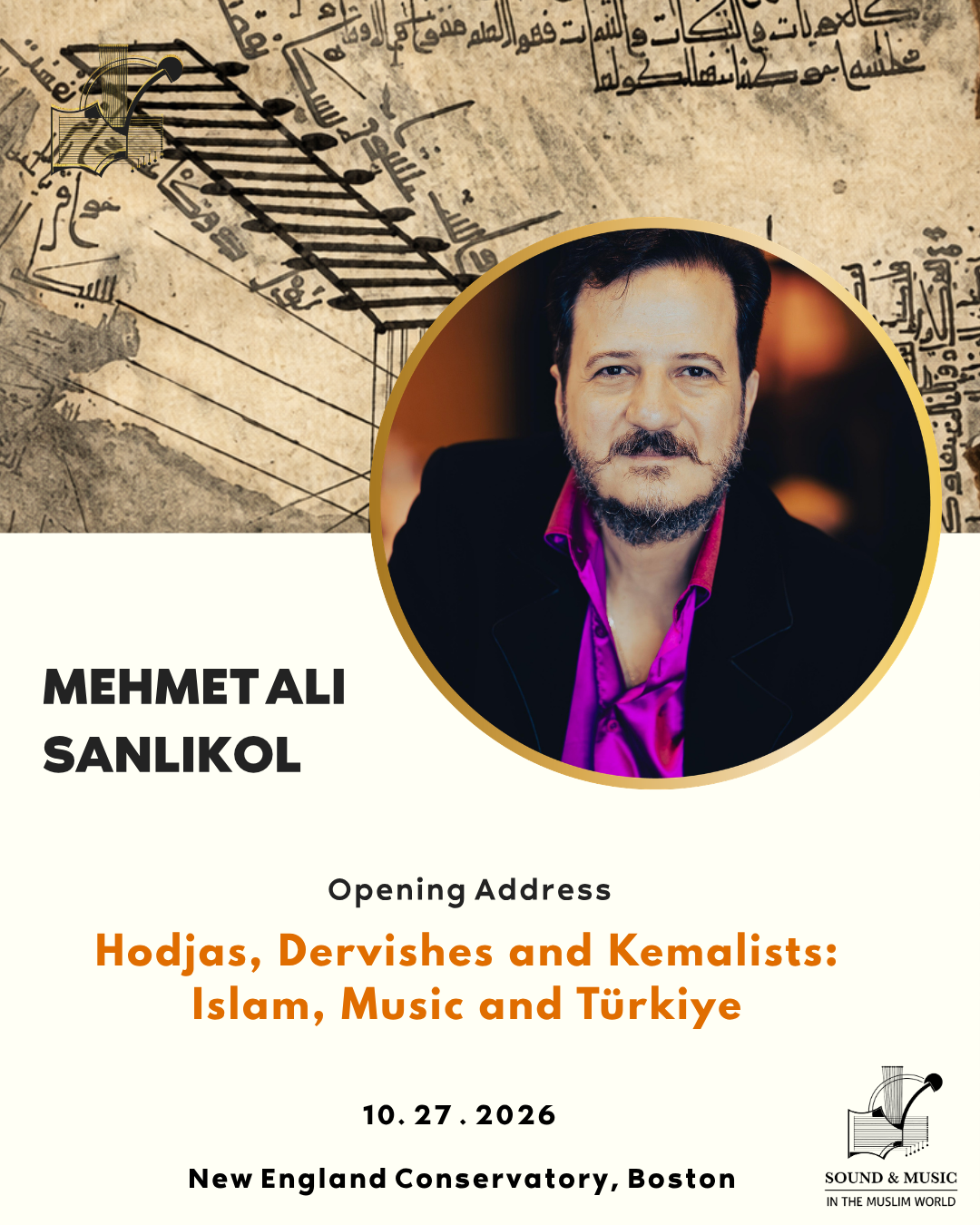
Mehmet Ali Sanlıkol (b. 1974, Istanbul) is a Grammy nominated Turkish-American composer, performer, and scholar based in Boston since 1993. His work spans contemporary concert music, jazz composition and improvisation, and Ottoman/Turkish music traditions alongside research and practice-based scholarship as well as instrument innovation. He is a full-time faculty member at the New England Conservatory, where he serves as Director of the Intercultural Institute.
Across these fields, Sanlıkol’s work is unified by a governing principle: musical traditions are not stylistic resources to be blended superficially, but complete systems with internal conventions, histories, and responsibilities. His composing, performing, scholarship, and innovations proceed from sustained immersion in those systems, allowing different traditions to interact only after they have been learned from the inside.
Sanlıkol’s scholarship grows directly from his creative practice, focusing on Ottoman/Turkish music with particular attention to notation, performance practice, theory, pedagogy, institutional organization, and reform. His books include The Musician Mehters (2011) and Reform, Notation and Ottoman Music in Early 19th-Century Istanbul: EUTERPE (Routledge, 2023).
He has presented research internationally, served as a Fellow at Harvard University’s Center for Middle Eastern Studies, and is the founder and president of DÜNYA, a Boston-based musicians’ collective and record label supporting large-scale intercultural projects.
-
Chair of NEC’s Department of Contemporary Musical Arts, composer, performer, and improviser Eden MacAdam-Somer is an internationally acclaimed and remarkably versatile artist whose work transcends genre, weaving together violin, voice, movement, improvisation, and the many musical cultures that have shaped her experience. Hailed by the New York Times for her “astonishing virtuosity and raw expression,” she has performed and taught throughout the United States, Europe, India, and Asia, including multiple residencies at the Afghanistan National Institute of Music in Kabul. Eden’s creative and academic work reflect a longstanding interest in the intersections of music, culture, and oral tradition. A passionate educator, she works with students to develop strong technical and aural skills while cultivating their individual creative voices. She maintains an active international career as a soloist and with ensembles including the Klezmer Conservatory Band, Notorious Folk, and ESP, balancing her work as a performer and teaching artist with a busy family life in Boston, with her husband, three children, a cat, and some chickens.
-
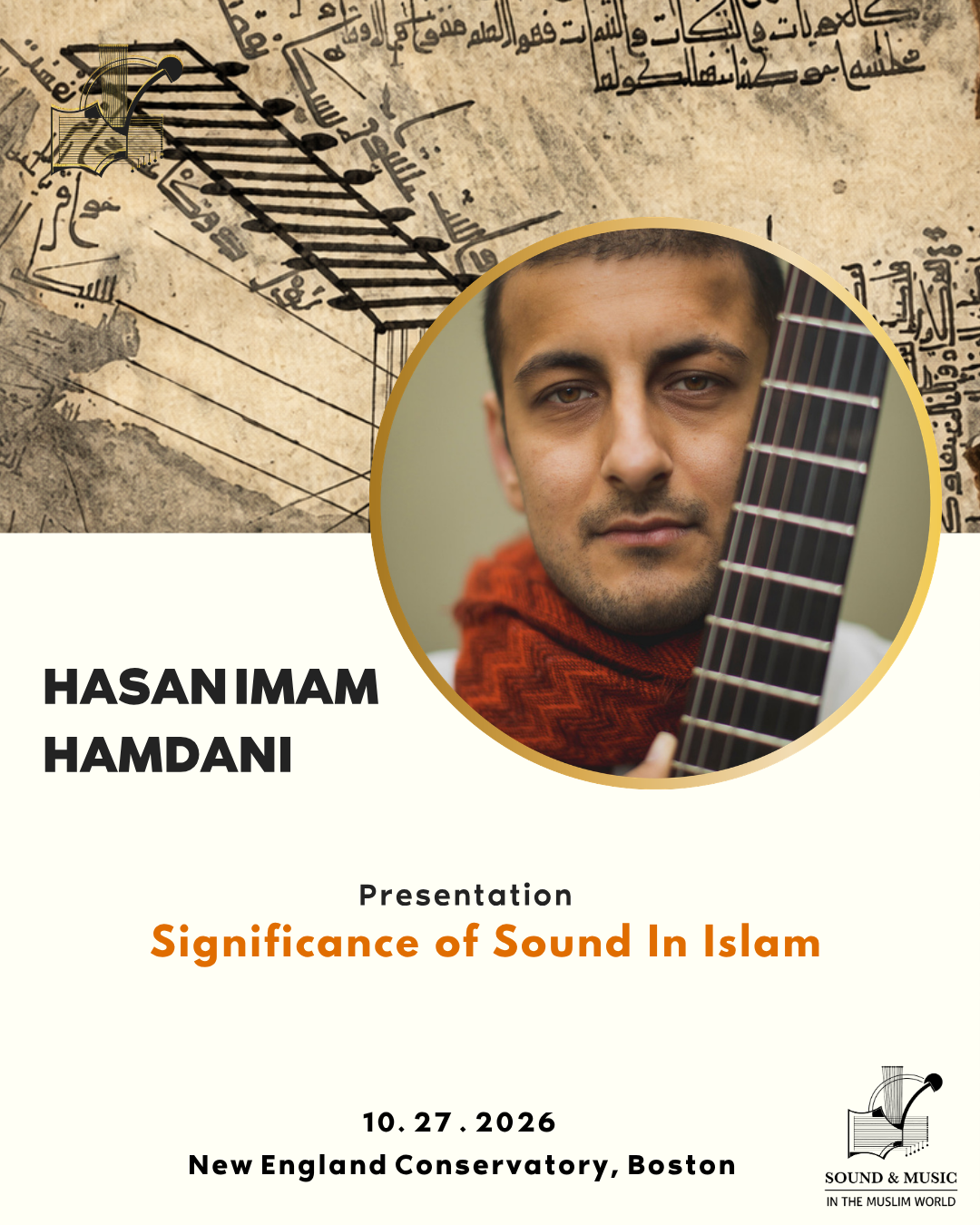
Hasan Imam Hamdani is a guitarist, composer, and educator leading the global music ensemble Imam Collective. His debut EP, Solitude, blends West African and Indian classical traditions, while his latest release, Averroes, draws inspiration from the writings of the twelfth-century philosopher Ibn Rushd of al-Andalus. He has presented the lecture series Islamic Soundscapes for the Reed Society for the Sacred Arts, developed the workshop Questions for the Music Curious and is the creator and host of the podcast Music Education in the Muslim World, featuring educators from across the Muslim world.
A graduate of Berklee College of Music, Hasan Imam earned both his bachelor's and master's degrees in music. He has been an Artist in Residence at both Strathmore and Montgomery College's Spring World Arts Festival, and received the Presser Graduate Award in recognition of his artistic and scholarly work. He is currently pursuing a Doctor of Musical Arts at the New England Conservatory, where his research examines sound, music and the theological concepts of Islam. He has served as Music Director of the Global Music Ensemble at Towson University and teaches World Music and American Music History at Montgomery College.
Concert